


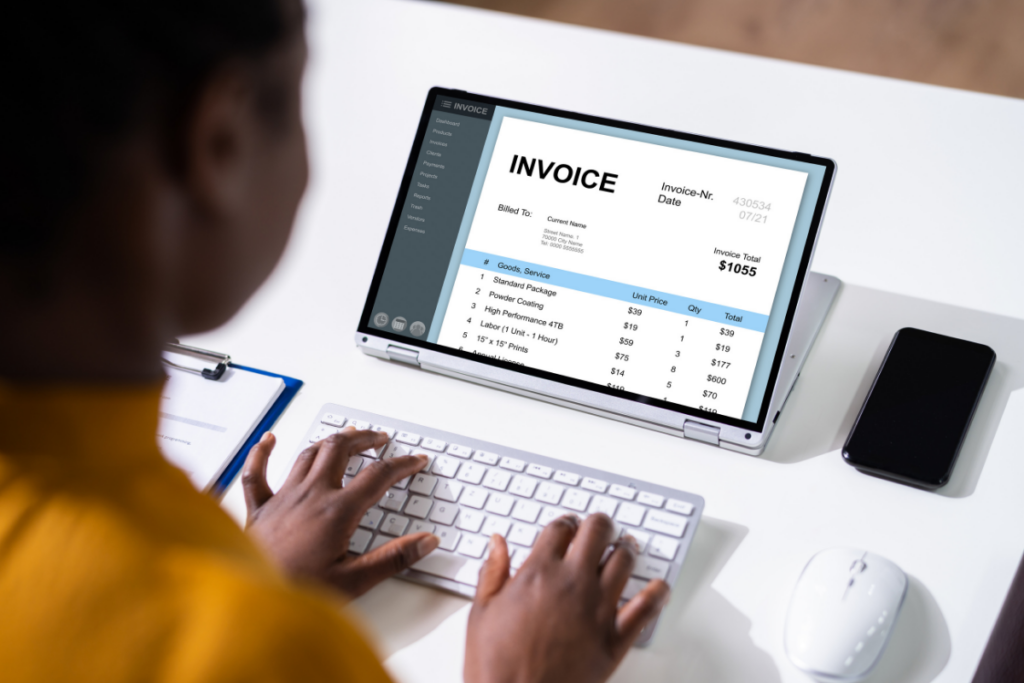
The Federal Inland Revenue Service (FIRS) in Nigeria has introduced a new electronic invoicing system to modernise how taxes are managed and collected. The system, called the Merchant Buyer Solution (FIRSMBS), replaces the use of paper invoices with digital ones that are checked and approved in real time.
Why This Change Matters
The goal of e-invoicing is to make tax administration more transparent and efficient. It will help close gaps where sales go unreported and make it easier for FIRS to track transactions. By moving to digital records, the process of auditing and reconciling accounts will become faster and more accurate. Businesses will also benefit from reduced paperwork and fewer manual errors.
Who Needs to Comply
The first phase of the new system begins with large taxpayers, those whose annual turnover is at least five billion naira. This group will start using the platform in July 2025. The deadline for full compliance has been extended from August to November 2025 to give companies more time to prepare. After this stage, the system will gradually cover medium and small businesses. Foreign companies that operate in Nigeria will start e-invoicing from January 2026.
How the System Works
Before a supplier sends an invoice to a buyer, it must be uploaded to the FIRSMBS platform for approval. Once approved, the invoice receives a unique reference number and a QR code for verification. Buyers will then have a short window, usually about three days, to confirm or raise concerns about the invoice. Businesses can either issue invoices directly through the FIRSMBS website or connect their existing accounting systems to it using an application programming interface.
What an E-Invoice Includes
Each invoice must contain details of the supplier and buyer, including their tax identification numbers. It should also list the goods or services, quantities, unit prices, total amount, and applicable taxes. The type of invoice, such as a credit or debit note, must also be clearly stated.
Opportunities and Challenges
The new system will make tax reporting more accurate and help businesses maintain proper records. It also builds trust between taxpayers and the government by reducing fraud and under-reporting. However, many companies will need to adjust their systems and train their staff to handle the new process. Smaller businesses may find it more difficult to adapt at first, especially those without strong technical support.
Preparing for Compliance
Businesses should begin by checking if they fall under the large taxpayer category. They should register on the FIRSMBS portal and set up their systems for integration. It is wise to involve both finance and IT teams early to test the process and fix any issues before the mandatory deadline.
Final Thoughts
The new e-invoicing system marks an important step in Nigeria’s journey towards digital tax administration. It will strengthen compliance, improve transparency, and make business operations smoother in the long run. Companies that prepare early will avoid disruption and benefit from a more efficient financial environment.