


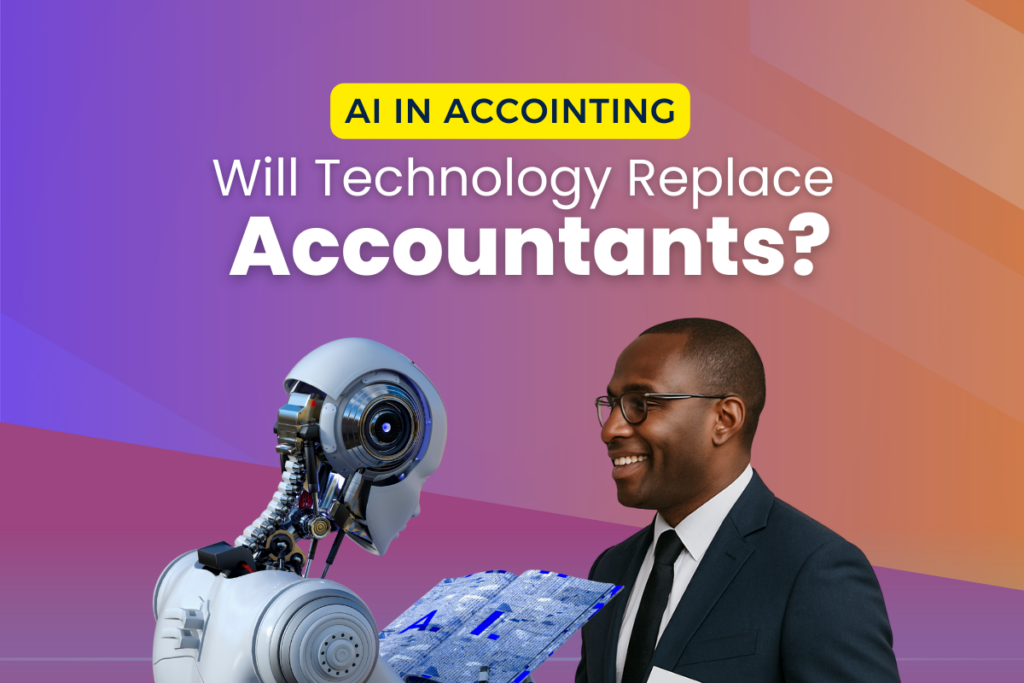
Artificial intelligence has found its way into nearly every industry, and accounting is no exception. From automated bookkeeping to advanced data analysis, AI is changing how financial information is managed. For many business owners, this raises an important question. Will technology eventually replace accountants altogether?
The rise of AI in accounting is most visible in routine tasks. Data entry, invoice processing, reconciliations, and even some aspects of tax filing can now be handled by intelligent software with speed and accuracy. These tools reduce human error and free up time that accountants would have previously spent on repetitive work. Cloud platforms equipped with AI can scan receipts, match them with bank statements, and categorise expenses within seconds.
This efficiency has made businesses more productive, but it has also created concern. If machines can complete traditional accounting functions faster and often more cheaply, what role will human accountants have in the future? The truth is that while AI can process information and generate reports, it lacks the human judgement, strategic thinking, and ethical reasoning that businesses rely on when making financial decisions.
Accountants do more than crunch numbers. They interpret financial data, provide advice on business growth, guide investment decisions, and ensure compliance with ever-changing regulations. These areas require not only technical knowledge but also an understanding of context, risk, and human behaviour. AI cannot replace this expertise. Instead, it acts as a partner, offering tools that help accountants perform their roles more effectively.
In fact, the role of the accountant is shifting from being a record keeper to becoming a trusted adviser. With AI handling repetitive work, accountants have more time to focus on analysis, strategy, and problem-solving. They can identify trends hidden in the numbers, forecast future scenarios, and support business leaders in making informed decisions. This higher level of service adds value that machines alone cannot deliver.
There is also the matter of trust. Business owners and stakeholders want reassurance that their finances are being handled with care and integrity. AI may provide accurate calculations, but relationships are built on human interaction. An accountant who understands the goals and challenges of a business can provide tailored guidance in a way that no algorithm can.
The real future of accounting is not a battle between humans and machines, but a collaboration. Businesses that embrace AI while relying on the judgement of skilled accountants will benefit from both efficiency and insight. Those who view AI as a replacement may miss the opportunity to build stronger, smarter financial strategies.
So, will technology replace accountants? The answer is no. It will reshape their roles, but not remove them. The accountants who thrive in the age of AI will be those who adapt, learn new skills, and position themselves as strategic advisers rather than simply number keepers. Far from making accountants obsolete, AI will make their work more important than ever.